How to Use Your Home Equity to Finance Valuable Home Improvements
A home can quietly become one of the most useful financial tools a household owns. As mortgage balances go down and property values rise, many homeowners build equity without thinking much about it. That equity is not just a number on a statement. Used carefully, it can help pay for upgrades that make the home more comfortable, more functional, and more valuable.
This is especially worth thinking about when repairs or renovations are too large for a credit card or savings account, but too important to keep delaying. A failing bathroom, a cramped kitchen, an unfinished basement, worn siding, or outdated wiring can affect daily life and long-term resale appeal.
Using home equity is not free money. It means borrowing against the value of the home, and the home is usually the collateral. That calls for clear planning, realistic budgeting, and a good look at the projects that are likely to justify the cost.
This article is for general information only and is not financial, tax, or legal advice. A lender, tax professional, or financial advisor can help review the best choice for a specific situation.

Home equity can turn a needed project into a planned investment
Home equity is the difference between what a home is worth and what is still owed on it. If a home has grown in value, or the mortgage has been paid down over time, that gap can become a source of borrowing power.
For example, a homeowner may have bought a house years ago and made steady payments. At the same time, the local housing market may have raised the value of similar homes. The result is equity that can sometimes be accessed through a home equity loan, home equity line of credit, or cash-out refinance.
The key word is planned. Borrowing against equity works best when the money goes toward improvements that solve real problems or add lasting usefulness. That is different from using equity for short-term spending that does not improve the property.
Strong candidates often include:
Replacing old systems that affect safety or efficiency
Remodeling spaces used every day
Finishing unused square footage
Fixing water damage or exterior wear
Improving accessibility for long-term living
Updating dated layouts before a future sale
A well-chosen project can serve two purposes. It can make the home better to live in now, and it can support the home’s value later. That does not mean every dollar comes back at resale. Renovation value depends on local demand, quality of work, materials, layout, and timing. Still, thoughtful upgrades often carry more long-term benefit than patchwork fixes.
The same logic applies across very different markets, from Sinking Spring, Wyomissing, Wernersville, Bernville, Leesport and to homes in suburban, rural, and urban areas across Berks County. Buyers tend to notice the same things: clean design, sound structure, usable space, and rooms that do not feel like immediate projects.
Choose projects that protect value before chasing trends
Not all renovations deserve the same priority. Some make a home more useful. Some protect it from future damage. Some mainly reflect personal taste. Before borrowing against equity, it helps to rank projects by how much they improve the home.
Start with repairs that prevent bigger costs
Some projects are not glamorous, but they matter most. If a roof is near the end of its life, a basement takes on water, or the HVAC system is unreliable, those issues can become more expensive when ignored.
Equity can be a practical way to handle large repairs when savings are not enough. These projects may not create the same excitement as a new kitchen, but they help preserve the value that already exists in the property.
High-priority repairs can include:
Roof replacement or major roof repair
Foundation or drainage correction
Electrical updates for safety
Plumbing replacement where leaks are common
Window or door replacement where energy loss is severe
Heating and cooling upgrades
A buyer may not pay extra for every hidden repair, but they may walk away from a home with major problems. Protecting value can be just as important as adding value.
Focus on rooms that shape daily life
Kitchens and bathrooms remain popular renovation choices because they get heavy use and strongly influence how a home feels. A dated kitchen can make the whole house feel older. A worn bathroom can make mornings harder and give buyers a reason to negotiate.
The best results usually come from improving layout, storage, lighting, ventilation, and durability before selecting finishes. A beautiful countertop cannot fix a poor workflow. Expensive tile will not make up for a shower that still lacks proper waterproofing.
Good kitchen upgrades might include:
Better cabinet storage
More useful counter space
Updated lighting
Durable flooring
Improved appliance placement
A layout that connects better to dining or living areas
Good bathroom upgrades might include:
Proper ventilation
Water-resistant materials
Safer flooring
Better lighting around mirrors
A more practical vanity
A walk-in shower when it fits the home and lifestyle
Trends come and go. Function lasts longer.

Add usable space only when it fits the home
Finishing a basement, converting an attic, or building an addition can add meaningful space. These projects can be valuable when they solve a clear need, such as a family room, guest area, laundry room, hobby space, or accessible first-floor bedroom.
Basements deserve special care. Before investing in drywall, flooring, and built-ins, the space should be dry and properly insulated. Moisture problems can undo a finished basement quickly.
A finished space should also feel connected to the rest of the home. Low ceilings, poor lighting, awkward stairs, or limited heating and cooling can reduce how useful the area feels. The goal is not just more square footage. The goal is square footage people want to use.
Compare the main ways to access equity
Homeowners usually look at three common options: a home equity loan, a home equity line of credit, or a cash-out refinance. Each works differently. The right choice depends on the project size, timeline, interest rate, existing mortgage, and comfort with monthly payments.
Option | How it works | When it may fit |
Home equity loan | Borrow a lump sum and repay it over time, usually with a fixed rate | A defined project with a clear budget |
Home equity line of credit | Open a revolving credit line and draw funds as needed | Projects completed in phases or with changing costs |
Cash-out refinance | Replace the current mortgage with a larger one and receive the difference in cash | Larger projects, especially when the new mortgage terms still make sense |
A home equity loan can be easier to budget because the loan amount and payment are usually predictable. That can work well for a kitchen remodel, roofing job, or bathroom renovation with signed estimates.
A HELOC can offer flexibility. It may suit projects where costs arrive in stages, such as a basement renovation or a series of upgrades over several months. Many HELOCs have variable rates, so payments can change. That flexibility needs discipline.
A cash-out refinance can provide a larger amount of money, but it resets the mortgage. If the current mortgage has a low interest rate, replacing it may not make sense. Closing costs and the length of the new loan also matter.
Lenders often limit how much equity can be borrowed. They may consider credit score, debt-to-income ratio, income, property value, and existing mortgage balance. An appraisal may be required.
There may also be tax questions. In some cases, interest on home equity borrowing may be deductible when funds are used to buy, build, or substantially improve the home securing the loan. Tax rules can change, and details matter, so it is smart to ask a qualified tax professional.
Build the renovation budget before choosing the loan
Borrowing should come after the scope is clear, not before. A vague project can lead to borrowing too much, too little, or in the wrong form.
A strong renovation budget includes more than the contractor’s first estimate. It should account for materials, permits, design help, inspections, temporary living needs, and a cushion for surprises.
Older homes often hide issues behind walls and under floors. Plumbing may need rerouting. Electrical panels may need upgrades. Subfloor damage may appear after demolition. A budget with no room for surprises can create stress halfway through the job.
A practical planning process looks like this:
Define the goal
Decide what the project needs to accomplish. More storage, safer access, better layout, energy savings, or added living space should guide the plan.
Set a realistic scope
Separate must-haves from nice-to-haves. This helps keep the project from growing beyond the budget.
Get detailed estimates
Ask contractors to break out labor, materials, allowances, and exclusions. A low bid that leaves out key items can cost more later.
Check permit needs
Structural changes, electrical work, plumbing, additions, and finished basements often require permits. Proper permits can protect resale value and safety.
Add a contingency
Many homeowners set aside extra funds for unexpected costs. The right amount varies by project age, complexity, and condition of the home.
Match the financing to the timeline
A one-time roof replacement may fit a lump-sum loan. A multi-stage remodel may fit a line of credit.
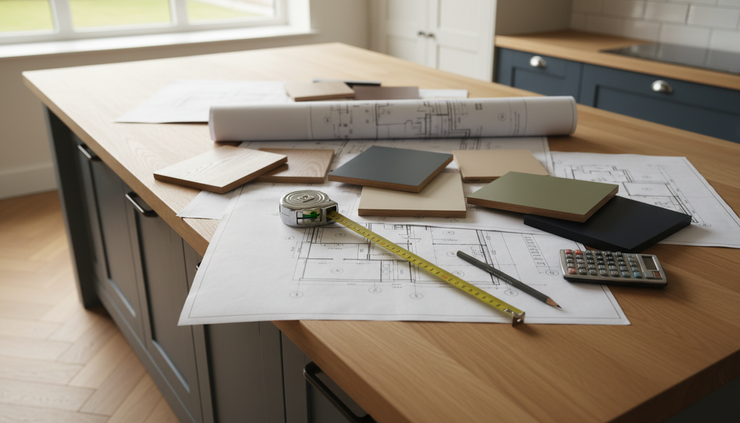
Good planning also means knowing when to stop. It can be tempting to expand a project once financing is available. A bathroom remodel becomes a hallway update. A kitchen project becomes new flooring throughout the first floor. Some add-ons make sense, especially when they reduce future labor costs. Others can push a smart project into an uncomfortable loan.
Protect the home, the budget, and future resale
Using equity to finance home improvements can be a wise choice, but the risk should stay visible. The home secures the debt. If payments become unmanageable, the consequences can be serious.
That does not mean equity should never be used. It means the payment needs to fit comfortably inside the household budget, even after taxes, insurance, utilities, maintenance, savings, and other debts.
Before signing, review these points carefully:
Monthly payment after any introductory rate ends
Whether the rate is fixed or variable
Closing costs, annual fees, or draw fees
Repayment period and total interest over time
Prepayment rules
Appraisal requirements
Whether the loan affects plans to sell soon
A project should also fit the neighborhood and the home. High-end finishes in a modest house may not bring the same return as a balanced, well-built renovation. By contrast, repairing obvious defects or updating heavily used rooms can make the home easier to enjoy and easier to sell.
Quality matters. Poor workmanship can hurt value, even when materials are expensive. Licensed and insured contractors, written contracts, clear payment schedules, and documented change orders all help reduce risk.
For resale, keep records of major work. Save permits, inspection approvals, contractor invoices, warranties, product information, and before-and-after photos. These records can help future buyers understand what was done and may support the value of the improvements.

A smart equity plan starts with the right question
The most useful question is not “How much can I borrow?” A better question is, “What improvement is worth borrowing for?”
That shift changes the whole project. It keeps the focus on the home, the budget, and the lasting benefit. It encourages careful choices, such as fixing structural issues before cosmetic ones, improving daily-use spaces before chasing trends, and matching the loan type to the project timeline.
Home equity can help turn a delayed repair or dream renovation into a realistic plan. Used carefully, it can support comfort now and value later. The best projects begin with clear priorities, honest numbers, and respect for the fact that the house itself is backing the loan.
Start with the improvement that solves the most important problem. Price it carefully. Compare financing options. Then use the equity built in the home to make the home stronger, more useful, and better suited for the years ahead.


Comments