How to Start Planning Your Home Remodel: Essential Home Remodel Preparation Tips
Starting a home remodel can feel overwhelming. You might be excited about the changes but unsure where to begin. Whether you want to update your kitchen, add a new bathroom, or completely transform your living space, good preparation is the key to success. Let’s walk through the steps to get your home remodel off on the right foot.
Why Home Remodel Preparation Matters
Before you pick out paint colors or browse tile options, take a moment to focus on home remodel preparation. This phase sets the foundation for everything that follows. Without it, you risk running into unexpected costs, delays, or design choices that don’t fit your lifestyle.
Think of it like building a house - you wouldn’t start with the roof. You need a solid blueprint and a clear understanding of your goals. Preparation helps you:
Define your budget realistically
Prioritize your needs and wants
Understand the scope of work
Find the right professionals for the job
Avoid costly mistakes
For example, I once heard about a homeowner who started a kitchen remodel without a clear plan. They ended up with appliances that didn’t fit the space and a layout that made cooking difficult. Don’t let that be you!
Setting Your Budget and Priorities
One of the first questions I ask myself is, “How much can I comfortably spend?” Setting a budget early on helps guide your decisions and keeps the project manageable. Here’s how to approach it:
Assess your finances - Look at your savings, potential loans, or home equity options.
Research typical costs - Remodeling costs vary widely depending on the project and location. In Berks County, expect to pay more for high-end finishes or structural changes.
Include a contingency fund - Set aside at least 10-20% of your budget for unexpected expenses.
List your priorities - What must-haves will make the biggest impact? Maybe it’s more storage, better lighting, or an open floor plan.
Once you have a budget and priorities, you can start exploring design ideas and materials that fit your plan.
What adds $100,000 to your house?
If you’re wondering what kind of remodel can add significant value to your home, here are some proven upgrades that often increase resale value by $100,000 or more:
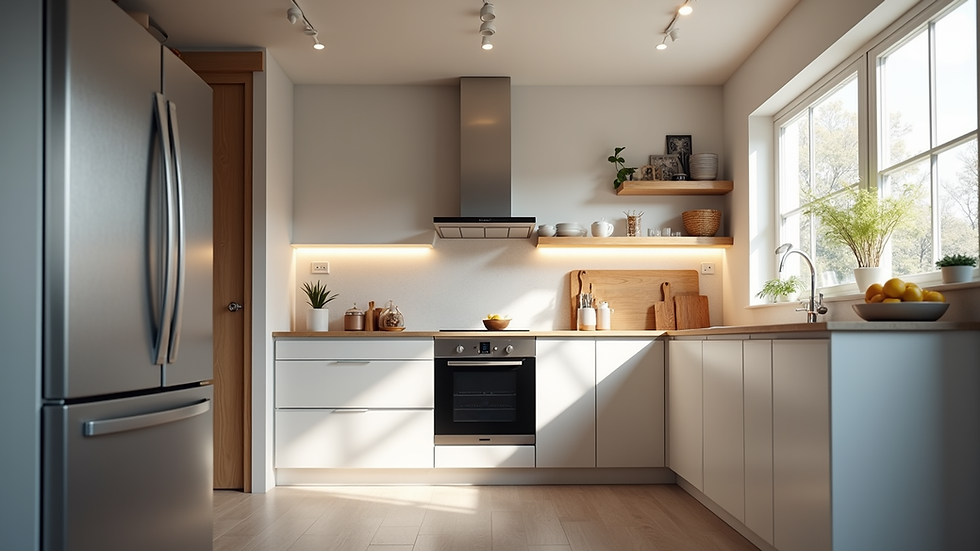
Kitchen remodels: Modern, functional kitchens with quality appliances and finishes are a top priority for buyers.
Bathroom upgrades: Adding a master bath or updating existing bathrooms with new fixtures and tile can boost value.
Adding living space: Finishing a basement, building an addition, or converting an attic into a bedroom adds usable square footage.
Energy-efficient improvements: New windows, insulation, and HVAC systems appeal to buyers looking to save on utility bills.
Curb appeal enhancements: Landscaping, new siding, or a fresh front door create a strong first impression.
Keep in mind, the value added depends on the quality of work and how well the remodel fits your neighborhood’s style.
Finding the Right Team and Resources
You don’t have to do this alone. Finding skilled professionals can make a huge difference in the outcome of your remodel. Here’s how to find the right team:
Ask for recommendations from friends, family, or neighbors who have recently remodeled.
Check online reviews and local business listings.
Interview multiple contractors to compare quotes and communication styles.
Verify licenses and insurance to protect yourself.
Discuss timelines and expectations upfront to avoid surprises.
Don’t forget to consider designers or architects if your project involves structural changes or complex layouts. They can help turn your vision into detailed plans.
If you want to learn more about how to plan a home remodeling project, check out this helpful resource how to plan a home remodeling project.
Planning the Details: Design, Permits, and Timeline
Once you have your team and budget, it’s time to dive into the details. This is where your vision starts to take shape.
Design choices: Select materials, colors, fixtures, and finishes that match your style and budget. Don’t rush this step; samples and mock-ups can help you visualize the final look.
Permits and regulations: Check with your local Berks County building department to see what permits you need. Skipping this can lead to fines or having to undo work.
Timeline: Work with your contractor to create a realistic schedule. Keep in mind that weather, material availability, and inspections can affect timing.
Remember, flexibility is important. Remodeling often involves surprises, but a well-planned timeline helps keep things on track.

Staying Organized and Communicating Throughout the Project
During the remodel, staying organized and maintaining clear communication with your team is crucial. Here are some tips:
Keep a project binder or digital folder with contracts, receipts, and plans.
Schedule regular check-ins with your contractor to discuss progress and any issues.
Document changes in writing to avoid misunderstandings.
Prepare for disruptions by setting up temporary living spaces or adjusting your routine.
By staying involved and informed, you’ll feel more in control and confident as your home transforms.
Moving Forward with Confidence
Starting a home remodel is a big step, but with the right preparation, it can be an exciting and rewarding journey. Take your time to plan carefully, set realistic goals, and build a team you trust. Your dream home is within reach, and every thoughtful decision brings you closer to it.
If you’re ready to begin, remember that good preparation is the foundation of a successful remodel. Keep your budget, priorities, and timeline clear, and don’t hesitate to ask questions along the way. Your home deserves the best, and so do you.


Comments